
The Works™ HVAC Maintenance Program
The Works™ is BCR Works’ residential HVAC maintenance program designed to help homeowners maintain, understand, and extend the life of their heating and cooling systems through two seasonal maintenance visits each year.
Why The Works Exists
After more than 25 years in HVAC, one pattern becomes hard to ignore: many major repairs start as small problems. A weak electrical component, restricted airflow, a drainage issue, or a system that is slowly losing performance can be easier to understand when someone is looking at it before it becomes urgent.
The Works was created for homeowners who want steady, documented maintenance instead of a quick visit that only checks the obvious items. When the same HVAC professional returns year after year, the visit is not starting from zero. There is history. There are notes. There is a better understanding of how the equipment normally runs and what has changed.
That history matters. Honest recommendations are easier when they are based on more than a first visit. The goal is long-term care, better system awareness, and fewer unexpected breakdowns without turning maintenance into a sales appointment.
The Works is built around two seasonal maintenance visits, preventive cleaning, performance testing, safety checks when applicable, and repair-first recommendations a homeowner can use later. It helps reduce surprises by finding maintenance-sensitive issues before peak heating or cooling weather puts the equipment under stress.
Why Homeowners Choose The Works
Not all maintenance plans are the same. The Works is designed for homeowners who want a more complete annual maintenance program than a basic tune-up.
Here is how The Works is organized during the seasonal visits.
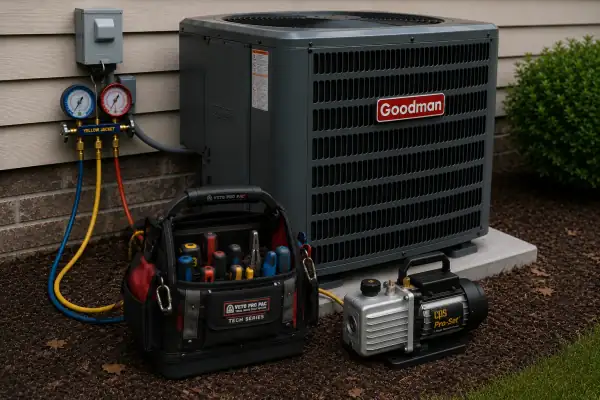
Typical Tune-Up vs. The Works
A basic tune-up may only confirm that the system turns on. The Works is designed to clean, test, document, and watch the equipment over time so homeowners have better information before the weather gets demanding.
| Maintenance Item | Typical Tune-Up | The Works |
|---|---|---|
| Two seasonal maintenance visits | ◐ May vary by provider | ✓ Included |
| Condenser coil flush | ◐ May vary by provider | ✓ Included |
| Condensate drain clearing and treatment | ◐ May vary by provider | ✓ Included |
| Carbon monoxide safety testing* | ◐ May vary by provider | ✓ Included |
| Full combustion analysis* | Rare | ✓ Included |
| Electrical performance testing | Basic | ✓ Included |
| Capacitor testing | Varies | ✓ Included |
| Airflow and temperature measurements | Varies | ✓ Included |
| Focus on preventing unexpected breakdowns | Basic | ✓ Included |
*Performed when applicable to the equipment being serviced.
What Is Included in The Works?
The Works includes two seasonal maintenance visits focused on cleaning, testing, safety, performance, and written recommendations.
Cooling Visit
The cooling visit helps prepare the air conditioning or heat pump system before Maryland summer demand.
- Flush the condenser coil to support heat transfer and cleaner outdoor operation.
- Clear and treat the condensate drain to reduce drainage problems where accessible.
- Test electrical performance, including contactors, wiring condition, and operating readings.
- Test capacitors and review cooling controls, thermostat operation, airflow, and temperature measurements.
- Document findings, recommendations, and items to monitor.
Heating Visit
The heating visit helps prepare the furnace or heat pump system before colder weather exposes weak components, airflow problems, or safety concerns.
- Review heating operation, equipment condition, airflow, and temperature measurements.
- Perform carbon monoxide safety testing when applicable to the equipment.
- Perform full combustion analysis when applicable to the system type.
- Review ignition, burner, blower, safeties, electrical components, and control operation where applicable.
- Provide clear, repair-first recommendations based on current equipment condition.
A Closer Look at The Works™
Every maintenance visit includes much more than a quick inspection. Below is a closer look at what each service includes, why it matters, and how it helps improve reliability, efficiency, comfort, and equipment longevity.
Two Seasonal Maintenance Visits
What We Do
BCR Works checks the heating and cooling system during the seasons when each side of the equipment matters most. A spring visit focuses on cooling readiness, while a fall visit focuses on heating readiness and safe operation.
Why It Matters
Seasonal maintenance helps catch small changes before peak weather turns them into comfort problems. Seeing the system twice a year also creates a better picture of how the equipment is aging over time.
What We Look For
- Changes in operation since the last visit
- Airflow restrictions
- Electrical wear
- Drainage concerns
- Heating and cooling readiness
- Early signs of reliability problems
Signs You May Need This
- Equipment has not been checked in the last year
- Comfort changes between seasons
- Higher utility bills
- Frequent cycling
- Concerns before summer or winter weather
Condenser Coil Flush
What We Do
The outdoor condenser coil is cleaned and flushed so air can move through it more effectively. This helps the outdoor unit release heat during cooling operation and reduces unnecessary strain on the system.
Why It Matters
A dirty condenser coil can make an air conditioner or heat pump work harder than it should. Better heat transfer supports efficiency, cooling performance, and long-term equipment life.
What We Look For
- Dirt and debris on the coil surface
- Grass clippings or mulch buildup
- Blocked coil fins
- Restricted outdoor airflow
- Signs of coil damage
- Vegetation too close to the unit
Signs You May Need This
- Weak cooling during hot weather
- Long run times
- Outdoor unit looks dirty
- Higher electric bills
- Reduced cooling performance
Condensate Drain Clearing and Treatment
What We Do
BCR Works checks the condensate drain system and clears or treats it when needed so moisture can leave the equipment safely. The goal is to reduce the chance of water backing up around the indoor unit.
Why It Matters
Cooling systems remove moisture from indoor air. If that water cannot drain properly, it can cause shutdowns, water damage, odors, or unnecessary service calls.
What We Look For
- Slow or blocked drainage
- Water around the indoor unit
- Algae or buildup in the drain line
- Float switch concerns
- Drain pan condition
- Musty odors near the system
Signs You May Need This
- Water near the furnace or air handler
- System shutting off during cooling
- Musty smell near vents or equipment
- Wet safety pan
- Repeated drain backups
Carbon Monoxide Safety Testing
What We Do
When the home has fuel-burning heating equipment, BCR Works checks for carbon monoxide concerns as part of the safety review. This is performed when applicable to the equipment being serviced.
Why It Matters
Carbon monoxide is not something a homeowner can see or smell. Testing helps identify safety concerns that should be taken seriously before they become dangerous.
What We Look For
- Combustion safety concerns
- Venting problems
- Unusual burner operation
- Signs of rollout or overheating
- Equipment condition concerns
- Carbon monoxide readings where applicable
Signs You May Need This
- Gas furnace in the home
- Unusual furnace odors
- Yellow or unstable flame
- Repeated heating lockouts
- Older fuel-burning equipment
Full Combustion Analysis
What We Do
When applicable, combustion analysis checks how safely and efficiently fuel-burning equipment is operating. It gives a clearer picture than looking at the flame alone.
Why It Matters
Proper combustion supports safety, efficiency, and equipment reliability. It can also reveal problems that may not be obvious during a quick visual inspection.
What We Look For
- Combustion efficiency concerns
- Draft or venting issues
- Improper burner operation
- Excess air concerns
- Carbon monoxide risk indicators
- Signs the system needs further diagnosis
Signs You May Need This
- Older gas furnace
- Heating system odors
- Unusual burner operation
- Frequent furnace shutdowns
- Concern about heating safety
Electrical Performance Testing
What We Do
BCR Works checks important electrical components and operating conditions so weak parts, loose connections, or abnormal readings can be found before they cause a larger failure.
Why It Matters
Electrical problems are a common reason HVAC systems stop unexpectedly. Testing helps protect reliability and can reduce the chance of sudden no-cooling or no-heat calls.
What We Look For
- Loose wiring
- Corrosion
- Weak contactors
- Motor concerns
- Abnormal amperage
- Control wiring issues
Signs You May Need This
- System struggles to start
- Breaker trips
- Buzzing or humming sounds
- Intermittent operation
- Outdoor unit not coming on
Capacitor Testing
What We Do
Capacitors are tested to see whether they are still within a healthy operating range. These small parts help motors start and run properly.
Why It Matters
A weak capacitor can make a motor struggle, overheat, or fail to start. Finding a weak capacitor early can help prevent a more expensive motor or compressor problem.
What We Look For
- Weak capacitance readings
- Bulging or leaking capacitor body
- Hard-start symptoms
- Motor overheating concerns
- Loose terminals
- Age-related wear
Signs You May Need This
- Outdoor unit hums but does not start
- Fan starts slowly
- System trips a breaker
- Intermittent cooling
- Equipment shuts off unexpectedly
Airflow and Temperature Measurements
What We Do
BCR Works reviews airflow and temperature behavior to understand how the system is moving air and changing temperature through the home.
Why It Matters
Comfort problems are often airflow problems. Poor airflow can reduce efficiency, stress equipment, cause freezing, and make rooms feel uneven even when the system is running.
What We Look For
- Restricted filters
- Weak airflow
- Temperature split concerns
- Dirty coils
- Blower operation issues
- Uneven room comfort
Signs You May Need This
- Weak air from registers
- Uneven temperatures
- Frozen indoor coil
- Long run times
- Poor comfort in certain rooms
Focus on Preventing Unexpected Breakdowns
What We Do
During each visit, BCR Works looks for early warning signs that could lead to a breakdown later. The goal is to help homeowners understand risk before the system fails during peak weather.
Why It Matters
Preventive maintenance cannot stop every failure, but it can reduce avoidable surprises. Knowing what is wearing, dirty, weak, or abnormal helps homeowners plan instead of reacting during an emergency.
What We Look For
- Parts showing wear
- Abnormal operating conditions
- Restricted airflow
- Dirty heat transfer surfaces
- Electrical weakness
- Repeated or developing symptoms
Signs You May Need This
- Frequent repairs
- System runs longer than usual
- Rising utility bills
- Unexpected noises
- Loss of comfort during extreme weather
Who The Works Is Designed For
The Works is for homeowners who want HVAC maintenance to feel organized, documented, and practical instead of rushed or sales-driven.
Maintenance Options for Your Home
BCR Works offers The Works options based on the number of systems in the home. Pricing and scheduling details can be reviewed when you request service or ask about The Works.
That keeps the conversation tied to the actual home instead of forcing every homeowner into the same answer.
Not sure what you need?
If you are not sure how many systems you have or whether The Works is the right fit, BCR Works can help identify the right next step.
📅 Schedule ServiceQuestions Homeowners Ask About HVAC Maintenance
These answers explain what maintenance can and cannot do, what BCR Works looks for during a visit, and why seasonal system care matters in Central Maryland.
Why Maintenance Matters
How preventive maintenance helps homeowners understand system condition before problems become urgent.
Why does HVAC maintenance matter?
HVAC maintenance helps keep a heating and cooling system cleaner, safer, and easier to understand over time. It does not guarantee that equipment will never fail, but it can reduce avoidable stress by finding small issues before peak weather exposes them. A maintenance visit can reveal weak electrical components, drainage problems, dirty coils, restricted airflow, or safety concerns that a homeowner may not notice from the thermostat. The goal is not to sell replacement. The goal is to document system condition, explain what was found, and recommend sensible next steps. That repair-first approach helps homeowners make decisions based on evidence instead of surprise breakdowns.
Can maintenance prevent every breakdown?
No maintenance plan can prevent every HVAC breakdown. Mechanical and electrical parts still age, weather can stress equipment, and hidden problems can develop between visits. Maintenance is valuable because it reduces preventable problems and gives the homeowner better system history. A dirty condenser coil, weak capacitor, clogged drain, restricted filter, or unsafe combustion issue may be found before it becomes an emergency. That does not make the system failure-proof. It makes system care more informed. BCR Works presents maintenance honestly: it is a practical way to clean, test, document, and watch the equipment, not a promise that nothing will ever go wrong.
How often should HVAC maintenance be performed?
Most homes benefit from seasonal HVAC maintenance: one cooling-focused visit before heavy summer demand and one heating-focused visit before colder weather. That schedule gives the technician a chance to check the system before it is under the greatest stress. Cooling visits often focus on outdoor coil condition, condensate drainage, electrical performance, airflow, and temperature measurements. Heating visits may include furnace or heat pump operation, safeties, airflow, and carbon monoxide testing when applicable. Some homes may need more attention because of pets, filters, heavy use, older equipment, or difficult access. The right rhythm depends on the system and how the home uses it.
Why is maintenance history useful?
Maintenance history gives context. A single visit can show what the system is doing today, but repeated visits help show what is changing over time. A capacitor that is weakening, a drain that clogs repeatedly, a coil that gets dirty quickly, or airflow that is slowly declining can be easier to understand when there are notes from past visits. That history helps separate normal aging from sudden failure. It also helps homeowners make repair or replacement decisions more calmly because the recommendation is based on patterns, not just one emergency call. The Works is designed to build that kind of useful system history.
Does maintenance support a repair-first approach?
Yes. Good maintenance supports repair-first thinking because it creates better information. When a technician understands the system condition, repair history, readings, and recurring concerns, the recommendation can be more specific. Sometimes maintenance shows that a repair is sensible and replacement is not needed. Other times it shows that the equipment is aging, becoming unreliable, or developing problems that make replacement worth planning. Either way, the homeowner gets a clearer explanation. Maintenance should not be a disguised sales appointment. It should be a structured way to clean, test, document, and explain the condition of the system.
During a Maintenance Visit
What BCR Works is looking for during a practical, documented maintenance visit.
Why is condenser coil cleaning important?
The outdoor condenser coil helps move heat out of the home during cooling operation. When the coil is dirty, blocked, or coated with debris, the system can work harder to reject heat. That can affect comfort, efficiency, operating pressure, and long-term stress on the equipment. Coil cleaning is not cosmetic. It supports heat transfer and helps the outdoor unit operate under cleaner conditions before Maryland summer weather increases demand. The coil should be cleaned carefully without damaging the fins or electrical components. For homeowners, the main idea is simple: a cleaner outdoor coil helps the system breathe and release heat more effectively.
Why does the condensate drain need maintenance?
Air conditioning and heat pump systems remove moisture from the air during cooling operation. That water has to drain away safely. If the condensate drain becomes clogged, untreated, or poorly pitched, water can back up, trigger safety switches, stain ceilings, damage surrounding areas, or create humidity concerns. Drain maintenance helps reduce those risks where the drain is accessible. It may include clearing, treating, checking the termination, and confirming that water can move away from the equipment. In humid Central Maryland summers, condensate problems are common enough that they deserve attention during maintenance. A dry system area is not just neat; it helps protect the home.
What electrical items are checked during maintenance?
Electrical checks help identify weak or unsafe operating conditions before they create a no-cooling or no-heat call. Depending on the equipment, a technician may inspect wiring condition, contactors, capacitors, disconnects, control wiring, motor operation, and operating readings. The purpose is not to overwhelm the homeowner with numbers. The purpose is to identify components that are worn, overheating, loose, weak, or operating outside a reasonable range. Electrical problems can cause intermittent symptoms, hard starts, nuisance breaker trips, or equipment failure. Good maintenance looks for those clues early and explains what matters in plain language.
Why are capacitors tested?
Capacitors help certain motors start and run properly. In cooling systems, a weak capacitor can affect the outdoor fan motor, compressor, or blower motor depending on the equipment. A capacitor can weaken before it fails completely, which is why testing is useful. Homeowners often experience capacitor problems as humming, hard starting, warm air, intermittent operation, or a system that will not start. Testing does not mean every weak capacitor must be replaced immediately, but it gives the homeowner useful information about risk. When a capacitor is outside an acceptable range, replacing it may prevent a more inconvenient failure during hot weather.
Why are temperature and airflow measurements useful?
Temperature and airflow measurements help show how the system is performing, not just whether it turns on. A system may run but still struggle because airflow is restricted, the coil is dirty, a filter is too restrictive, ducts are limiting the system, or the equipment is not operating as expected. Measurements help turn comfort complaints into clues. They can support repair decisions, maintenance recommendations, or future replacement planning. Homeowners do not need to memorize the numbers. They should expect the technician to explain what the readings suggest and whether they point toward normal operation, maintenance needs, or a problem that deserves diagnosis.
Long-Term Equipment Care
How maintenance supports reliability, safety, comfort, and better decisions as equipment ages.
How does maintenance affect long-term reliability?
Maintenance supports reliability by reducing avoidable stress. Clean coils, clear drains, proper filters, sound electrical components, reasonable airflow, and documented system condition all help equipment operate under better conditions. Maintenance cannot stop normal wear, but it can identify problems before they create larger symptoms. Long-term reliability is not only about the equipment brand. It is also affected by installation quality, airflow, use, environment, and ongoing care. The Works helps build a practical record of how the system is aging so homeowners can decide when a repair is sensible and when replacement planning should begin.
How often should filters be replaced?
Filter timing depends on the filter type, home conditions, pets, dust, system runtime, and homeowner habits. Some filters need attention monthly, while others may last longer. A dirty or overly restrictive filter can reduce airflow, increase system stress, affect comfort, and contribute to freezing or overheating problems depending on the system. The best filter is not always the thickest or most expensive option. It has to match the system’s airflow needs. During maintenance, a technician can look at filter condition and help the homeowner understand whether the filter setup is supporting or restricting the system.
Why are carbon monoxide testing and combustion analysis important?
For gas-burning equipment, safety checks matter. Carbon monoxide testing helps identify unsafe combustion or venting concerns that homeowners may not notice. Combustion analysis, when applicable, gives the technician more information about how the furnace or boiler is burning fuel and whether operation appears safe and efficient. These checks are not needed for every type of equipment, but they are important when gas combustion is part of the system. The goal is not to scare homeowners. The goal is to verify safety-related operation and explain concerns clearly. Heating maintenance should always respect both comfort and safety.
Can maintenance improve comfort?
Maintenance can improve comfort when the issue is related to dirt, airflow restriction, drainage problems, weak electrical components, thermostat issues, or equipment that needs adjustment. It may not solve comfort problems caused by poor duct design, insulation, oversized equipment, or an aging system at the end of its useful life. That distinction matters. A good maintenance visit should help identify whether the comfort issue is maintenance-related or whether further diagnosis is needed. Homeowners often notice maintenance benefits as steadier operation, better airflow, fewer nuisance shutdowns, or clearer information about what is limiting comfort.
How does maintenance help with replacement planning?
Maintenance helps replacement planning by documenting the system before the decision becomes urgent. If the equipment is aging, needing repeated repairs, losing performance, or developing safety concerns, maintenance records help explain why replacement should be considered. If the system is still performing reasonably, maintenance can support continued repair-first care. Planning is calmer when the homeowner knows the system history. That is especially useful before peak heating or cooling seasons, when emergency decisions can feel rushed. The Works gives homeowners a clearer picture of what they have, what is changing, and what may need attention next.
Central Maryland Maintenance
Local weather conditions that make seasonal HVAC care especially useful for Maryland homeowners.
How does Maryland humidity affect HVAC maintenance?
Maryland humidity makes cooling maintenance especially important. During humid weather, the system has to manage both temperature and moisture. Dirty coils, weak airflow, clogged drains, poor refrigerant operation, or oversized equipment can leave the home feeling damp even when the thermostat number looks acceptable. Maintenance helps identify conditions that make humidity harder to control. Condensate drain care also matters because the system removes a lot of water during humid stretches. In Central Maryland, humidity is not a side issue. It is part of how comfort is delivered, and it should be considered during seasonal maintenance.
Why should maintenance happen before peak summer or winter weather?
Maintenance is most useful before the system is under heavy seasonal demand. A cooling system that looks acceptable in mild spring weather may struggle during a July heat wave. A heating system that starts in October may reveal weaknesses during colder winter nights. Preseason maintenance gives the technician a chance to clean, test, and document conditions before the equipment has to work harder. It also gives the homeowner time to consider repairs without the pressure of an active breakdown. In Central Maryland, where weather can shift quickly, preparing before peak demand is a practical way to reduce surprises.
Why do upstairs rooms often need extra attention?
Upstairs rooms often gain more heat from the roof and attic, and they may have longer duct runs or weaker airflow. In summer, that can make upstairs spaces feel warmer even when the main thermostat is satisfied. Maintenance cannot redesign a duct system, but it can identify airflow clues, filter issues, dirty coils, blower concerns, or equipment performance problems that make the imbalance worse. The attic access photo on this page reflects an important idea: some comfort problems are connected to areas homeowners rarely see. Looking beyond the visible equipment helps create a more useful maintenance picture.
How do older Maryland homes affect HVAC maintenance?
Older homes in Harford County, Baltimore County, Howard County, and nearby areas can have ductwork, insulation, venting, drainage, electrical, or access conditions that affect HVAC performance. Maintenance in an older home should pay attention to the system as it exists, not as it would appear in a new construction drawing. Tight access, older ducts, limited returns, past equipment changes, and attic heat can all shape performance. The goal is not to criticize the home. The goal is to understand how the system is operating inside that home so repair, maintenance, and replacement recommendations are more accurate.
What should homeowners expect during extreme summer weather?
During extreme summer weather, an HVAC system may run longer because the home is gaining heat and moisture quickly. Longer runtime is not automatically a failure. The important question is whether the system is maintaining reasonable comfort, removing humidity, moving air properly, and recovering when outdoor conditions improve. Maintenance helps prepare the system by cleaning the outdoor coil, checking electrical components, reviewing airflow, and confirming drainage. If the system still struggles, that information supports diagnosis. In Central Maryland, summer maintenance is about preparation, but it also helps homeowners understand what normal high-load operation looks like.
Continue Learning About HVAC Care
The Works is part of a larger repair-first approach to caring for residential HVAC systems. These resources help homeowners understand maintenance, symptoms, system condition, and long-term planning.
Ready to Take Better Care of Your HVAC System?
The Works helps homeowners maintain, document, and understand their heating and cooling equipment over time.