
Residential HVAC Installation & Replacement Services
BCR Works provides residential HVAC installation and replacement services for Central Maryland homeowners who want the full system selected, installed, commissioned, and verified with care.
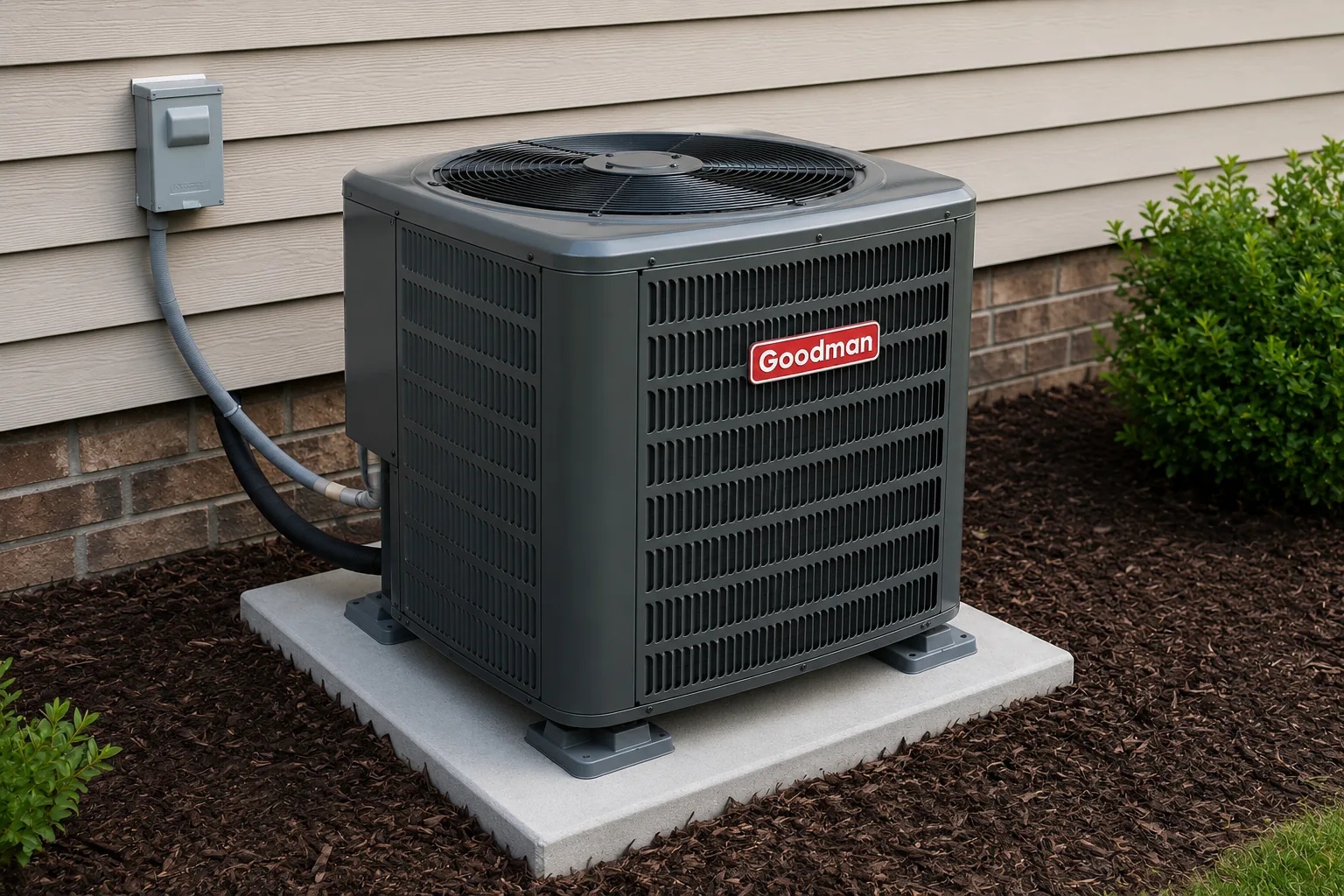
Clean equipment placement, organized line work, and a finished outdoor setup support long-term serviceability.
Professional HVAC Installation Is More Than Setting New Equipment.
Replacing equipment is one part of the job. The larger question is whether the full system is selected, installed, connected, tested, and verified in a way that supports the home.
Good installation work protects comfort, efficiency, reliability, and long-term performance. That is why BCR Works treats replacement as an engineering decision, not simply an equipment sale.
What Homeowners Should Expect
- A recommendation that fits the home and existing system conditions
- Clean workmanship around piping, wiring, airflow, and equipment placement
- Startup checks that verify operation instead of assuming it
- Repair-first guidance when replacement is not the sensible next step
What Makes a Professionally Installed HVAC System Different?
These are the practical parts of installation quality homeowners should understand before approving a replacement.
Proper Equipment Selection
The right replacement should match the home, the existing installation, the comfort goals, and the conditions around the system. It should not be chosen only because it is available or because it has the same label as the old equipment.
BCR Works looks at the system as a whole before recommending a path forward.
Properly Sized & Professionally Installed
Equipment should be sized for the home and installed with attention to refrigerant piping, electrical connections, airflow, and workmanship. Small installation details can affect comfort, efficiency, reliability, and long-term performance.
A professional installation should look organized because the work behind it is organized.
Deep Evacuation & Refrigerant Circuit Preparation
Before a cooling system is placed into operation, the refrigerant circuit has to be prepared. Air and moisture need to be removed, and the system should be checked so it is ready to operate correctly.
Pressure testing, evacuation, and verification help protect the system before refrigerant operation begins. The goal is preparation, not guesswork.
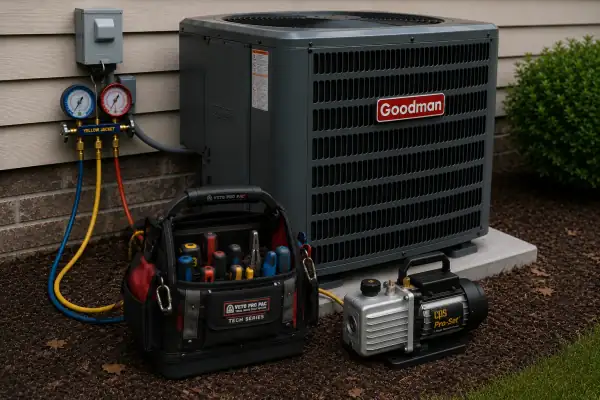
Evacuation, startup behavior, controls, airflow, and system operation are checked before the installation is considered complete.
Startup & Commissioning
An installation is not complete just because the equipment turns on. Controls, airflow, refrigerant operation, electrical operation, and thermostat behavior should be checked during startup.
Commissioning helps confirm that the installed system is operating as a system, not just as separate pieces of equipment.
Final Performance Verification
Before the installation is considered complete, final operating conditions should be reviewed. The emphasis is verification instead of assumption.
A professionally installed HVAC system should leave the homeowner with more than new equipment. It should leave them with a system that has been selected, installed, started, and checked with care.
Installation Decisions in Central Maryland Weather
Maryland humidity exposes weak cooling performance, poor airflow, and installation shortcuts. Cold winter demand exposes heating reliability, furnace safety concerns, and heat pump backup issues.
Homes in Harford County, Baltimore County, and Howard County vary by age, ductwork, insulation, and system type. Installation guidance should account for those differences.
Related HVAC Services
Compare installation with service pages that explain the systems involved.
When Replacement Becomes Worth Comparing
Installation quality matters when replacement is the right move. But replacement is not automatically the right answer. BCR Works starts with diagnosis and helps compare repair, reliability, comfort, and long-term cost before recommending a new system.
Before replacing equipment, use the Should You Repair or Replace Your HVAC? assessment to compare the current diagnosis, repair scope, system condition, and remaining uncertainty.
Repair Makes Sense When
- The system is younger or middle-aged
- The problem is isolated and repairable
- Comfort has been consistent before the issue
- The repair cost is reasonable compared with system age
- The equipment is still safe to operate
Replacement Makes Sense When
- The system is older and repairs are becoming frequent
- A major component has failed
- Comfort, humidity, or airflow problems keep returning
- Energy use has changed because the system is struggling
- A properly installed new system offers a better long-term path
Signs It May Be Time to Discuss Replacement
These signs do not prove replacement is required. They are reasons to compare repair, system condition, and installation planning with a professional.
HVAC Replacement Options for Maryland Homes
A good replacement recommendation should match the home and the installation requirements, not just the equipment label.
Air Conditioning Systems
Central AC replacement should account for outdoor equipment, indoor coil condition, refrigerant piping, airflow, drainage, and controls.
AC ServicesGas Furnace Systems
Furnace replacement should consider safety, venting, airflow, return air, filter setup, and how the furnace works with the cooling system.
Furnace ServicesHeat Pump Systems
Heat pump replacement should account for heating and cooling operation, controls, auxiliary heat, defrost behavior, and Maryland winter performance.
Heat Pump ServicesEnergy Efficient HVAC Upgrades
Efficiency depends on equipment selection and installation quality. A high-efficiency system still needs correct airflow, refrigerant operation, controls, and setup to perform well.
What Affects HVAC Installation Cost?
The cost to install or replace an HVAC system depends on the system and the home. A real estimate should account for equipment, installation conditions, efficiency level, and whether any supporting work is needed.
Planning for a Large HVAC Purchase
A large HVAC purchase deserves a clear explanation. Homeowners should understand why replacement is being discussed, what installation work is included, what can be reused safely, and what should be corrected during the job.
That conversation should happen before the installation begins.
Why planning matters
Good planning reduces surprises. It also helps the installation team protect the home, prepare the system, and explain the finished work clearly.
Systems BCR Works Helps Homeowners Evaluate
BCR Works helps homeowners evaluate central AC systems, gas furnaces, heat pumps, dual-fuel systems, and related indoor equipment. The goal is to understand the system before recommending repair or replacement.
Installation is system work.
Outdoor equipment, indoor equipment, ductwork, drainage, controls, wiring, piping, and airflow all affect the finished result.
No Unnecessary Replacements
BCR Works does not treat replacement as the default answer. If repair is sensible, that should be explained. If replacement is the better long-term path, the reason should be clear.
What the Evaluation Looks At
Questions Homeowners Ask Before Installing a System
These answers explain replacement, installation quality, commissioning, performance, and Central Maryland conditions in homeowner language.
Before You Replace
Questions that help homeowners decide whether replacement should even be part of the conversation.
How long does HVAC equipment typically last?
Most central air conditioners and heat pumps reach serious replacement conversations around 12 to 15 years. Gas furnaces often last longer, sometimes 15 to 20 years or more when they are maintained and operating safely. Age by itself does not prove replacement is necessary. A well-maintained older system may still be worth repairing, while a younger system with repeated major failures may deserve a closer look. The better question is how the equipment is performing now. Comfort problems, rising energy use, repeated repairs, safety concerns, and major component failures all matter. BCR Works looks at equipment age as one clue, not the whole answer. Diagnosis, condition, repair history, and installation conditions should guide the recommendation.
Should I repair or replace my HVAC system?
Repair often makes sense when the system is younger, the failure is isolated, the repair cost is reasonable, and the equipment has been reliable. Replacement becomes worth comparing when the system is older, repairs are becoming frequent, a major component has failed, or comfort and efficiency problems keep returning. The decision should not be based on pressure or a single sales rule. A good recommendation explains what failed, what else was observed, how much useful life may remain, and what a properly installed replacement would solve. BCR Works starts with diagnosis because repair-first thinking protects homeowners from replacing equipment that still has a practical path forward.
What affects HVAC replacement cost?
HVAC replacement cost depends on more than the outdoor unit or furnace model. System size, equipment type, efficiency level, access, refrigerant piping, electrical requirements, venting, condensate drainage, thermostat controls, duct conditions, and code-related work can all affect the final scope. Two homes with similar equipment can require different installation work. That is why a real estimate should be based on the home, not only a price list. The best replacement conversation explains what is included, what can be reused safely, what needs correction, and what choices affect long-term performance. Cost transparency should help homeowners understand the installation path, not push them toward the most expensive option.
How do I know replacement is actually necessary?
Replacement is worth considering when diagnosis shows that repair is no longer the most sensible path. That may involve system age, repeated failures, unsafe operation, major component damage, poor comfort, high operating cost, or installation problems that cannot be corrected economically. A homeowner should be able to ask, “What exactly makes replacement the better option?” The answer should be specific. It should connect the system condition to the recommendation. Vague statements like “it is old” or “you need a new one” are not enough. BCR Works focuses on explaining the findings so homeowners can understand whether replacement is truly necessary or simply one possible option.
Can I replace only part of my HVAC system?
Sometimes one part of a system can be replaced, but it depends on compatibility, age, refrigerant type, efficiency goals, indoor and outdoor equipment condition, airflow, controls, and manufacturer requirements. Replacing only one component may be reasonable when the rest of the system is in good condition and can support the new equipment. In other cases, mixing old and new components can limit performance, create reliability issues, or reduce the value of the investment. The right answer comes from evaluating the complete system. BCR Works helps homeowners understand what can be reused safely and what should be upgraded so the finished installation performs as intended.
Is higher-efficiency equipment worth it?
Higher-efficiency equipment can be worth it, but the value depends on the home, usage, comfort goals, utility costs, installation quality, and ENERGY STAR’s home energy savings guidance. Efficiency ratings help compare equipment, but they do not guarantee real-world savings by themselves. Airflow, refrigerant operation, sizing, controls, ductwork, and commissioning all affect how the system performs after installation. A high-efficiency system installed poorly can disappoint. A properly selected and installed system can improve comfort and operating performance over time. Homeowners should compare efficiency options honestly, including upfront cost, expected use, comfort benefits, and how long they plan to stay in the home. The best choice is not always the highest-rated model.
Installation & Commissioning
The practices that separate a professional installation from simply setting new equipment in place.
How do I know an HVAC system was installed correctly?
A correctly installed HVAC system should do more than turn on. The equipment should be appropriate for the home, installed neatly, connected properly, started carefully, and verified under operating conditions. Homeowners can look for signs of organized workmanship: secure equipment placement, clean refrigerant piping, proper electrical connections, protected wiring, correct drainage, a functional thermostat, and clear explanation of startup findings. The technician should be able to explain what was checked before leaving. Some parts of installation quality are not visible, such as evacuation, pressure testing, refrigerant operation, and airflow verification. That is why documentation and clear communication matter. A professional installation should leave the homeowner with confidence, not unanswered questions.
Why does installation quality matter so much?
Installation quality affects comfort, efficiency, reliability, noise, humidity control, and equipment life. The equipment is important, but it cannot overcome poor setup. Refrigerant piping, airflow, electrical work, drainage, controls, and startup verification all influence how the system behaves in real weather. Two homes can have the same model installed and get different results if one installation is cleaner and better verified. Poor installation can make new equipment run longer, cycle poorly, struggle with humidity, or fail earlier than expected. Professional installation is about protecting the investment. BCR Works approaches replacement as a complete system project because the final result depends on both the equipment and the workmanship behind it.
Why is deep evacuation important?
Deep evacuation is part of preparing the refrigeration circuit before a cooling system or heat pump is placed into operation. In homeowner terms, the process helps remove air and moisture from the sealed refrigerant circuit before refrigerant operation begins. Moisture and air do not belong inside that circuit. If they remain, they can affect performance, reliability, and long-term system health. Homeowners do not need to understand advanced refrigeration theory to understand the principle: the system should be prepared before it is started. Evacuation is one of the invisible steps that separates professional installation from simply connecting equipment and turning it on. It is about preparation and verification before operation.
Why is pressure testing performed?
Pressure testing helps verify that the refrigerant circuit is sound before the system is placed into service. A professional installation should not rely on hope that connections are tight and ready. Testing helps identify problems before startup, when they can be corrected more directly. It also supports the evacuation process because a system that cannot hold pressure may not be ready for proper preparation. For homeowners, the important point is simple: pressure testing is part of verifying the installation before the equipment is expected to perform. It helps protect the system, the refrigerant circuit, and the homeowner’s investment. It is one more example of verification instead of assumption.
What is HVAC commissioning?
Commissioning is the process of checking that the installed system is operating correctly after installation. It is not just a fancy word for turning the system on. A technician verifies controls, thermostat operation, airflow, electrical operation, refrigerant operation, startup behavior, drainage, and overall performance. The exact checks depend on the system type, but the purpose is consistent: confirm that the equipment and the installation are working together. Commissioning helps catch problems while the installation is still fresh. It also gives the homeowner a clearer understanding of what was completed. A professional installation should include commissioning because the job is not finished until operation has been checked.
What should be verified before an installation is considered complete?
Before an installation is considered complete, the system should be checked for safe operation, proper startup, correct thermostat response, airflow, electrical readings, refrigerant operation, drainage, and general comfort performance. The technician should also look for signs that the installation is clean, secure, and serviceable. The exact checklist changes by equipment type, but the principle does not change. A new system should not be considered complete only because it starts. It should be verified under operating conditions and explained to the homeowner in plain language. Final verification gives the homeowner confidence that the system was installed as a working system, not just as individual pieces of equipment.
Performance & Long-Term Reliability
How installation decisions affect comfort, efficiency, humidity control, and system life after the first day.
What affects long-term HVAC reliability?
Long-term reliability depends on equipment selection, installation quality, airflow, electrical condition, refrigerant operation, maintenance, drainage, controls, and how hard the system has to work in the home. Brand and model matter, but they are not the whole story. A system that is poorly installed, poorly commissioned, or connected to weak airflow can have problems even when the equipment itself is good. Maintenance also matters because dirty coils, weak capacitors, restricted filters, and drainage problems can add stress over time. BCR Works looks at reliability as a system issue. The goal is to reduce preventable stress and help the equipment operate within the conditions it was designed for.
Why can two identical systems perform differently?
Two identical systems can perform differently because the homes and installations are different. Ductwork, airflow, insulation, thermostat location, refrigerant piping, electrical connections, system sizing, drainage, and commissioning all affect performance. One system may be installed in a home with good airflow and careful setup. Another may be connected to restricted ducts or started without enough verification. The equipment label may be the same, but the operating conditions are not. This is why installation quality matters so much. Homeowners should compare more than model numbers. The finished result depends on how the system is selected, installed, started, and verified in the actual home.
How does airflow affect comfort?
Airflow is one of the biggest factors in comfort. Heating and cooling equipment can only condition the air that moves through it. If airflow is restricted, uneven, or poorly balanced, rooms may feel hot, cold, humid, or uncomfortable even when the equipment is running. Weak airflow can also affect system efficiency and equipment stress. Filters, ductwork, blower settings, coil condition, return air, supply registers, and installation details can all influence airflow. Homeowners often notice airflow issues as rooms that lag behind the thermostat, upstairs areas that stay warm, or systems that run longer than expected. A good installation considers airflow because comfort is delivered through the air distribution system.
Will a new HVAC system lower humidity?
A properly selected and installed system can help with humidity, but a new system is not an automatic humidity fix. Humidity control depends on sizing, runtime, airflow, refrigerant operation, thermostat settings, duct conditions, insulation, and outdoor weather. If equipment is oversized or airflow is not set up well, the system may cool the air quickly without removing enough moisture. In Central Maryland summers, humidity can expose installation and airflow weaknesses. A good replacement conversation should include comfort and humidity history, not just equipment age. BCR Works treats humidity as a system-performance issue. The goal is to understand why the home feels humid before assuming a new unit alone will solve it.
What affects energy efficiency besides SEER2?
SEER2 and other efficiency ratings are useful for comparing equipment, but real-world efficiency also depends on installation quality and home conditions. Airflow, refrigerant charge, duct leakage, insulation, thermostat use, equipment sizing, coil cleanliness, electrical condition, and commissioning all affect operating performance. A high-rated system can waste energy if it is not installed or set up correctly. A lower-rated system installed properly may perform more consistently than a premium system installed poorly. Homeowners should think of efficiency as equipment plus installation plus the home. BCR Works explains efficiency options in that context so homeowners can make decisions based on likely performance, not just a rating label.
Why is startup verification important?
Startup verification confirms that the system is operating correctly after installation. Without verification, a system may turn on while still having airflow problems, control issues, electrical concerns, drainage problems, or refrigerant operation that needs attention. Startup is the moment when the installation moves from physical work to operating performance. It is also the point where small issues can be caught before they become comfort complaints or reliability problems. Homeowners should expect more than “it runs.” A professional should check how it runs. BCR Works emphasizes startup verification because the final goal is not simply new equipment. The final goal is a system that has been started, checked, and explained.
Central Maryland HVAC
Local operating conditions that shape installation planning in Harford County, Baltimore County, Howard County, and nearby areas.
Are heat pumps a good choice in Central Maryland?
Heat pumps can be a good choice in Central Maryland, especially when they are selected and installed with local winter and summer conditions in mind. Modern heat pumps can provide efficient cooling and heating, but the right setup depends on the home, ductwork, electrical capacity, backup heat strategy, comfort goals, and budget. Some homes are good candidates for a heat pump. Others may be better served by a gas furnace, dual-fuel system, or a more focused repair. The recommendation should not be automatic. BCR Works evaluates the existing system and the home before recommending a heat pump because the best choice depends on how the system will actually operate through Maryland weather.
How does Maryland humidity affect HVAC performance?
Maryland humidity makes HVAC performance more demanding. A system has to manage both temperature and moisture, especially during long summer stretches. If equipment is oversized, airflow is wrong, refrigerant operation is off, or ductwork has issues, the home may cool but still feel damp or uncomfortable. Humidity can also make upstairs rooms, older homes, and poorly insulated areas feel harder to control. This is why installation planning should include comfort history, airflow, and system behavior, not just equipment capacity. A well-installed system is better positioned to manage humidity because it is selected, set up, and verified for the home’s real operating conditions.
Why are upstairs rooms warmer?
Upstairs rooms are often warmer because heat rises, roof and attic heat gain increase the load, duct runs may be longer, airflow may be weaker, and insulation or air leakage may be uneven. In many Central Maryland homes, upstairs comfort problems become most noticeable during humid summer weather or afternoon heat. Replacement equipment alone may not fix the issue if the root cause is airflow, duct design, insulation, or balancing. A good installation evaluation should ask where the home is uncomfortable and when the problem occurs. That information helps determine whether replacement, airflow correction, duct improvements, or another solution is the most practical next step.
How do seasonal temperature swings affect HVAC systems?
Central Maryland often sees shoulder-season swings where the system may switch between heating and cooling demands within a short period. These changes can reveal control issues, thermostat problems, heat pump behavior, airflow weaknesses, or systems that are not set up well for both seasons. Equipment that seems acceptable during mild weather may struggle during the first hot or cold stretch. Installation planning should consider both cooling and heating performance, especially for heat pumps and dual-fuel systems. Startup and commissioning also matter because the system needs to respond correctly across operating modes. Seasonal swings are a reminder that HVAC performance is not one condition. It is year-round system behavior.
What should homeowners expect during extreme summer weather?
During extreme summer weather, even a properly installed system may run longer because the home is gaining heat faster and humidity is higher. Longer runtime is not automatically a failure. The important questions are whether the system is maintaining reasonable comfort, removing moisture, moving air properly, and recovering as outdoor conditions ease. If the system cannot keep up, freezes, short cycles, trips breakers, or leaves the home humid, diagnosis is needed. Replacement may be part of the answer, but airflow, refrigerant operation, coil condition, ductwork, and insulation also matter. BCR Works helps homeowners separate normal high-load behavior from signs of a system or installation problem.
How do older homes affect HVAC replacement planning?
Older homes can make HVAC replacement more complex because ductwork, insulation, electrical service, venting, equipment access, drainage, and return air may not match modern expectations. The existing system may have been changed over time, sometimes without correcting older limitations. Simply installing new equipment in the same way can preserve old comfort problems. That does not mean every older home needs major upgrades. It means the installation should be planned with the home’s conditions in mind. In Harford County, Baltimore County, Howard County, and nearby areas, home age and construction style can strongly affect comfort. A good replacement plan explains what matters and what can reasonably be improved.
Need a Clear HVAC Installation Recommendation?
BCR Works can evaluate the current system, explain the installation path, and recommend the next sensible step without pressure.