
What to Expect During Your HVAC Service Visit
BCR Works provides residential HVAC service throughout Harford County, Baltimore County, and Howard County. This page explains what happens before, during, and after your appointment so you know what to expect every step of the way.
📍 Built for Central Maryland homeowners: clear scheduling, careful diagnostics, plain-English findings, and final performance checks.
What Homeowners Can Expect
HVAC service should feel clear, respectful, and steady. BCR Works keeps the visit focused on your home, your questions, and practical next steps.
- Respectful home and equipment access
- Clear communication before and after evaluation
- Room for questions during the visit
- Plain-English explanations
- Recommendations tied to system condition
- Final operation check when work is complete
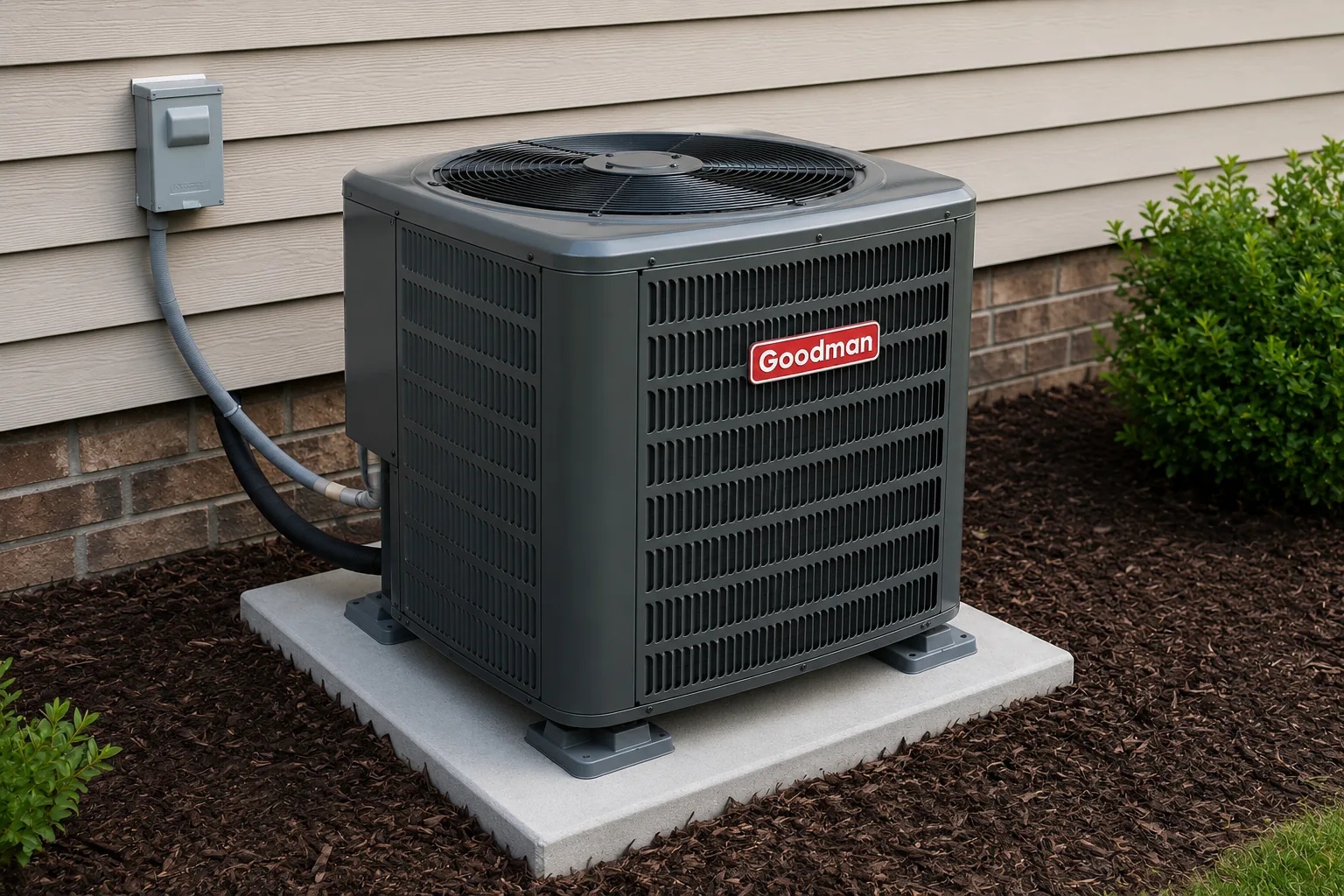
A professional service experience starts with clear expectations
Why Understanding the System Matters
Every HVAC system is a little different. The same symptom can come from airflow, controls, electrical operation, equipment condition, maintenance issues, or the way the home itself is built.
A careful evaluation helps turn a confusing comfort problem into a practical next step. Good communication matters just as much as technical skill because homeowners should understand what was found before deciding what to do next.
Every System Is Different
Age, installation, airflow, controls, maintenance history, and home layout can all affect what the system is doing.
Symptoms Need Context
Warm air, short cycling, weak airflow, noises, or high bills do not always point to the same repair.
Better Long-Term Decisions
Understanding the system condition helps homeowners decide whether to repair, maintain, monitor, plan, or take no action.
Communication Matters
The visit should leave you with clear answers, not technical jargon or a recommendation that feels unexplained.
What the Service Visit Looks Like
A good HVAC visit should feel organized, not drawn out. BCR Works keeps the process simple: understand the concern, evaluate the system, then explain the practical next step.
During Every Visit We Evaluate
Looking at the complete system helps prevent narrow assumptions. One symptom may involve more than one part of the system, and a useful recommendation should fit the equipment, the home, and the concern being reported.
Electrical Operation
Electrical behavior, controls, and visible wiring conditions can explain intermittent operation, hard starts, or sudden shutdowns.
Airflow
Airflow affects comfort, efficiency, freezing, overheating, and how well the system can move conditioned air through the home.
Controls
Thermostats, safeties, boards, and low-voltage controls are reviewed when they relate to the reported concern.
Safety
Safety concerns are reviewed where applicable, especially with heating equipment, electrical issues, or abnormal operation.
Equipment Condition
Age, wear, cleanliness, access, past repairs, and visible condition all help explain what the system may need next.
System Performance
Operation is reviewed in context so recommendations are based on performance, not assumptions from one symptom.
Maintenance Concerns
Filters, coils, drains, airflow paths, and other visible maintenance issues may affect comfort and reliability.
Why Careful Evaluation Matters
Not every symptom has the same cause. A system that will not cool may have an airflow issue, electrical problem, refrigerant concern, control failure, dirty coil, or more than one condition happening at once.
Careful evaluation helps prevent unnecessary work because the recommendation follows what the equipment is actually doing. Sometimes the right answer is a repair. Sometimes it is maintenance, monitoring, replacement planning, or no repair at all.
Understanding Before Recommendations
Recommendations should fit the actual condition of the equipment, the home, the safety picture, and the homeowner’s practical options.
- Similar symptoms can have different causes
- Different causes require different next steps
- Unnecessary work is easier to avoid when the system is understood
- Clear explanations help homeowners make informed decisions
Frequently Asked Questions
What happens during my first HVAC service visit?
The visit starts with a review of the concern, system diagnostics, and a clear explanation of what the technician finds before repair options are discussed.
Will I receive an explanation before repairs begin?
Yes. BCR Works explains the issue, the recommended repair, and any practical options so you can approve the next step with confidence.
How long does a typical HVAC service appointment take?
Most diagnostic visits vary based on the system and problem. The technician will explain what is being checked and communicate if more time is needed.
What if additional problems are found during the inspection?
Additional findings are explained before extra work begins. You receive practical recommendations based on safety, reliability, and system condition.
Does BCR Works recommend repair before replacement?
Repair is considered first when it is practical and responsible. Replacement is discussed when equipment condition, repair history, safety, or long-term cost makes it the better option.
Can I ask questions while the technician is diagnosing the system?
Yes. Homeowners are encouraged to ask questions. The goal is to help you understand what is happening with your heating or cooling system.
How do I know if replacement is actually necessary?
Replacement recommendations are based on system age, equipment condition, repair cost, reliability, comfort issues, and whether the system can be repaired responsibly.
What happens after the repair is complete?
The technician reviews the completed work, answers questions, and confirms the system is operating as expected before wrapping up the visit.
Does BCR Works test the system before leaving?
Yes. Final performance checks are part of the process so the visit ends with operation verified, not assumed.
How should I prepare before my service appointment?
Please provide clear access to the thermostat, indoor equipment, outdoor unit, and any electrical panels. It also helps to note recent symptoms or error codes.