
HVAC Knowledge Center
Air Conditioner Maintenance Guide
Central air conditioners have one job: move heat out of the home when Maryland heat and humidity settle in. This guide explains what makes AC maintenance different, what homeowners can safely do between visits, and what BCR Works checks during professional maintenance.
Introduction
What makes air conditioner maintenance different?
An air conditioner is a heat-moving machine. It absorbs heat indoors, carries that heat through the refrigerant circuit, and rejects it outside through the condenser coil. Maintenance matters because anything that restricts airflow, blocks heat rejection, weakens electrical starting components, or interrupts condensate drainage can make the system work harder than it should.
Maintenance is not a sales visit. It is a way to understand the condition of the system before a small restriction, weak capacitor, clogged drain, or dirty coil becomes a comfort problem.
Priorities
Professional AC maintenance priorities
Heat rejection
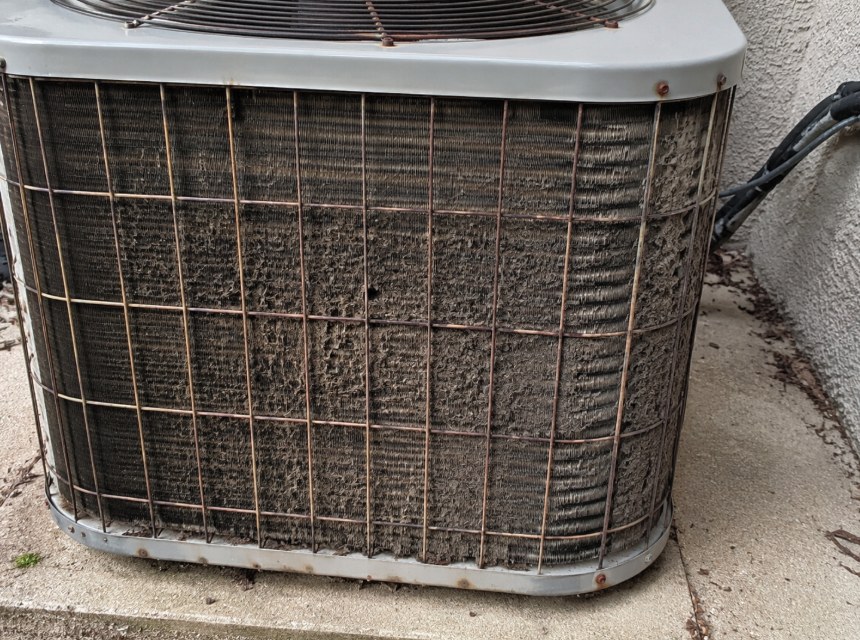
The outdoor coil must release heat efficiently. Pollen, cottonwood fluff, mulch dust, and grass clippings can insulate the coil and raise operating stress during peak summer.
Electrical starting
Capacitors, contactors, fan motors, and wiring carry heavy summer load. Weak components may still run today but fail when the unit runs continuously.
Airflow and drainage
Indoor airflow protects the evaporator coil from freezing. Condensate drainage protects ceilings, floors, and equipment areas from water damage.
What We Check
What professional AC maintenance includes
| Maintenance Area | What BCR Works Looks For | Why It Matters |
|---|---|---|
| Condenser coil | Dirt, pollen, cottonwood, bent fins, cabinet debris, restricted outdoor airflow. | Improves heat rejection and reduces compressor strain during hot weather. |
| Electrical components | Capacitor strength, contactor wear, wire condition, fan motor operation, disconnect condition. | Helps catch weak parts before they create a no-cooling call. |
| Indoor airflow | Filter restriction, blower condition, temperature split, static pressure clues, coil-freezing risk. | Supports comfort, efficiency, humidity removal, and equipment protection. |
| Condensate management | Drain line condition, trap issues, pan condition, float switch operation where present. | Helps reduce water damage and nuisance shutdowns. |
| Refrigerant circuit observations | Operating temperatures, pressure indicators where appropriate, line condition, signs of poor heat transfer. | Supports diagnosis without pretending maintenance can remotely confirm every hidden refrigerant issue. |
Between Visits
Homeowner maintenance between visits
Helpful homeowner habits
- Replace the air filter before cooling season and check it monthly during heavy use.
- Keep plants, mulch, leaves, and storage away from the outdoor unit.
- Watch for water near the indoor equipment.
- Listen for new buzzing, humming, grinding, or rattling sounds.
Common mistakes
- Closing too many supply registers to “push” air elsewhere.
- Ignoring a frozen line and repeatedly restarting the system.
- Pressure-washing coils aggressively and damaging fins.
- Assuming warm airflow always means the system needs refrigerant.
Central Maryland
Why spring AC maintenance matters here
Central Maryland cooling systems face two pressures at once: Chesapeake humidity and outdoor debris season. Spring pollen and cottonwood can coat outdoor coils before the first major heat wave. Once summer humidity arrives, the indoor coil and drain system may run for long cycles every day. A spring visit gives the system a chance to be cleaned and checked before the schedule fills with emergency no-cooling calls.
FAQ
Air conditioner maintenance questions
Can maintenance fix low refrigerant?
No. Maintenance can reveal signs that the refrigerant circuit needs diagnosis, but low charge usually points to a leak or previous charging issue that should be evaluated separately.
How often should an AC be maintained?
Most central air conditioners should be checked before cooling season. Homes with pets, heavy tree cover, or known drainage issues may need closer attention.
Why does cottonwood matter?
Cottonwood fibers can pack into the outdoor coil and reduce airflow through the condenser. That makes heat rejection harder during the exact season when the system needs it most.
Continue Learning
Related HVAC knowledge
Repair or Diagnostics
Looking for repair or diagnostics instead?
These maintenance guides explain how equipment should be cared for. If the system is already failing, noisy, leaking, short cycling, or not keeping up, start with the appropriate diagnostic service page.
The Works™
Want maintenance handled on a regular schedule?
The Works™ HVAC Maintenance Plan is BCR Works’ seasonal maintenance program for Central Maryland homes. It keeps cleaning, testing, and system history from becoming something you only think about after the weather turns severe.