
Residential HVAC Maintenance Guide
A homeowner-friendly guide to what HVAC maintenance does, why it matters in Central Maryland, and how to care for your heating and cooling system without guesswork.
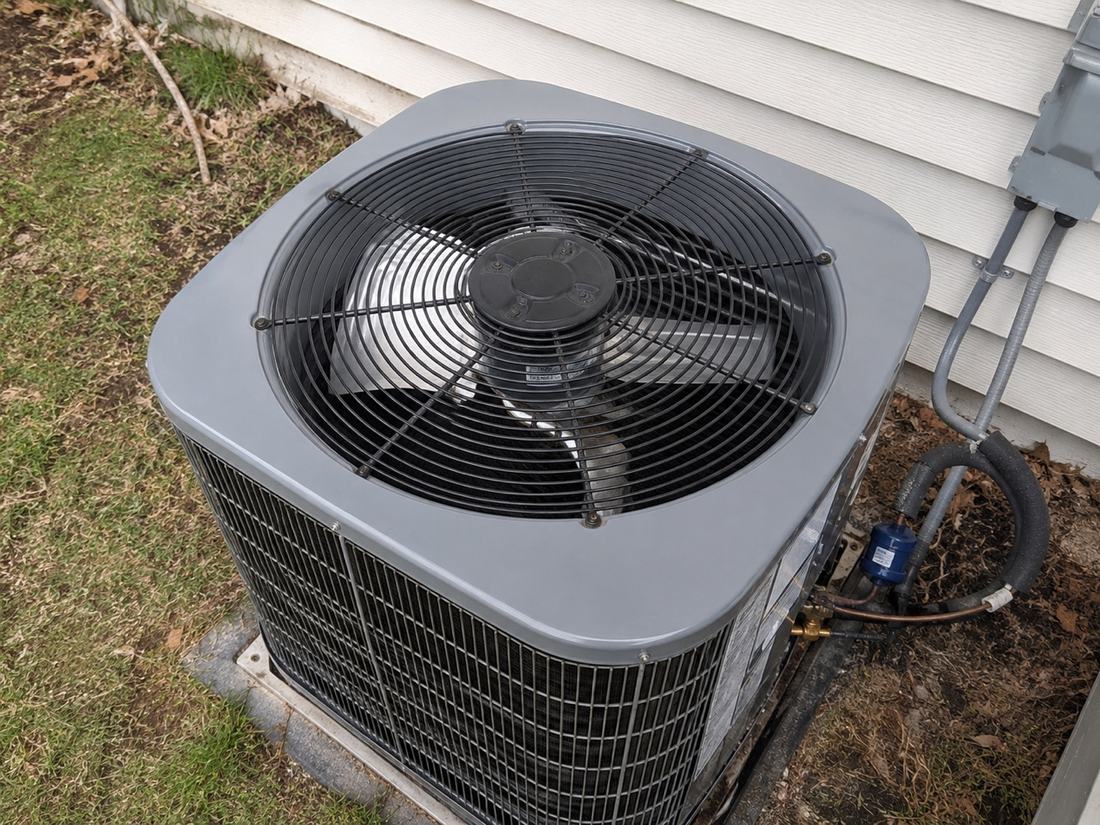
Cleaning, testing, safety checks, and practical recommendations
Maintenance Is Routine. Emergency Repair Is a Crisis.
Every service call to a home falls into one of two entirely different categories.
Maintenance Routine Care
This happens while your system is up, running, and doing its job. You schedule it on a calm day when it is convenient for you. The goal is to clean out seasonal debris, test electrical parts under a normal load, and clear out drain paths before they back up. It is a proactive choice that keeps you in control.
Emergency Repair Crisis Management
This only starts after the equipment has completely quit spinning. It happens on the hottest July afternoon or the freezing weekend in January when your house is already uncomfortable and every decision feels urgent. You are no longer in control; the broken system is forcing your hand.
📋 TECH NOTE: PRE-SEASON TESTING VS. PEAK WEATHER
A system that operates quietly during a mild spring afternoon can easily fail when sustained 95-degree heat waves hit Central Maryland. Minor restrictions, like a light layer of cottonwood fluff on the condenser or a sluggish drain line, have no room to hide when the system is forced to run continuously. Catching motor wear or clearing out line accumulations before the season peaks ensures you address minor maintenance items on your own schedule rather than waiting for an unexpected equipment shutdown.
What a Comprehensive Maintenance Plan Must Cover
To provide actual value, a residential maintenance plan should evaluate the home’s comfort system as one connected system rather than a collection of isolated parts. A quick look inside the equipment cabinet is not enough. A professional maintenance visit should review the core areas that affect comfort, reliability, safety, and equipment life.
1. Airflow Dynamics and Filtration
Technical Objective
A complete maintenance evaluation should review the return air path, filter condition, blower operation, indoor coil condition, duct restrictions, and supply-register airflow. In some homes, airflow testing or static-pressure readings may also be appropriate.
Why It Matters
Airflow is what allows the system to move heat properly. When air volume drops because of restrictive filters, dirty blower parts, blocked returns, or duct problems, the equipment can run longer while delivering less comfort. Poor airflow can also contribute to frozen indoor coils in cooling season and furnace overheating in heating season.
Warning Signs Homeowners May Notice
- Weak air from supply registers
- Uneven temperatures between rooms
- Loud whistling or rushing sounds near returns
- Long run times without reaching the thermostat setting
- More dust or comfort complaints than usual
2. Outdoor Coil and Condenser Condition
Technical Objective
A maintenance plan should include a physical inspection of the outdoor unit, coil surface, fan area, cabinet clearance, and the space around the equipment. In cooling season, the outdoor coil should be cleaned when dirt, pollen, cottonwood, grass clippings, or debris are restricting airflow.
Why It Matters
The outdoor unit releases heat from the home. If the coil is packed with debris, heat has a harder time leaving the system. That can increase run time, raise electrical load, reduce cooling performance, and place unnecessary stress on the compressor and fan motor during hot weather.
Warning Signs Homeowners May Notice
- Cooling that gets weaker during hot afternoons
- Higher summer electric bills
- A louder outdoor unit
- Outdoor fan air that does not feel very warm during cooling
- Visible pollen, cottonwood, leaves, or grass around the unit
3. Moisture Management and Condensate Drainage
Technical Objective
A maintenance visit should review the primary drain, secondary drain or pan where present, float switches, trap condition, and visible signs of algae, sludge, rust, or slow drainage. Drain lines should be cleared and tested when conditions indicate restriction.
Why It Matters
Air conditioners and heat pumps can remove a large amount of moisture from Maryland homes. That water has to leave the system safely. When the drain path is restricted, the equipment may shut down or water may overflow into areas where it can damage ceilings, floors, or finished spaces.
Warning Signs Homeowners May Notice
- Water near the indoor equipment
- Musty odors from the duct system
- Wet safety pans
- Cooling that shuts off during humid weather
- Staining around the furnace, air handler, ceiling, or floor
4. Electrical and Control Circuit Integrity
Technical Objective
A proper inspection should review electrical connections, contactors, capacitors, control wiring, motors, disconnects, and visible signs of heat, corrosion, pitting, or vibration-related loosening. Electrical readings should be interpreted in context, not treated as isolated numbers.
Why It Matters
Many no-cooling and no-heat calls begin with small electrical issues. Loose connections, weak capacitors, worn contacts, or stressed motors can make equipment start poorly, run inconsistently, or fail during peak demand. The tools provide the readings; experience helps determine whether the readings point to a real concern.
Warning Signs Homeowners May Notice
- Humming, clicking, or buzzing during startup
- Delayed or sluggish starts
- Breaker trips
- Short cycling
- A system that works intermittently
5. Temperature Split and Operating Performance
Technical Objective
A maintenance plan should compare what the equipment is doing with what the home is experiencing. That may include temperature split, run time, airflow, thermostat response, refrigerant-related indicators, and whether the system is keeping up under normal operating conditions.
Why It Matters
A system can turn on and still fail to move heat properly. Temperature and performance checks help separate a normal operating pattern from a developing issue such as airflow restriction, incorrect refrigerant charge, weak heat transfer, or control problems. That gives homeowners a clearer explanation before recommendations are made.
Warning Signs Homeowners May Notice
- Supply air that feels lukewarm during cooling or heating
- Rooms that stay humid or uncomfortable
- Long run times with little temperature change
- Comfort that changes sharply during extreme weather
- Repeated thermostat adjustments without improvement
6. Combustion and Venting Safety
Technical Objective
For gas or propane heating equipment, maintenance should prioritize safety. That includes reviewing burner operation, ignition, venting, draft-related concerns, safety controls, visible furnace condition, and carbon monoxide risks where applicable.
Why It Matters
Heating equipment uses high temperatures and combustible fuel. A safety-focused inspection helps confirm that combustion byproducts are being carried outside the home and that the furnace is not showing signs of unsafe operation. Comfort matters, but safe heating comes first.
Warning Signs Homeowners May Notice
- A lazy yellow flame instead of a steady blue flame
- Soot near the equipment
- Repeated ignition failures
- Unusual odors during heating
- Carbon monoxide alarm activity
Important: If a gas odor is detected at any time, residents should leave the area and contact the gas utility or emergency services from a safe distance.
📋 The Industry Standard
A professional maintenance inspection is not a guarantee against future mechanical wear, and its purpose is not to make aging equipment perfect. A useful plan gives homeowners a structured way to find small problems while they are still manageable, understand how the system is running, and make decisions before extreme seasonal weather turns a small issue into an urgent one.
System-Specific Maintenance Focus Areas
Because different HVAC systems use different mechanical processes to heat, cool, dehumidify, and move air, a professional maintenance plan cannot use a one-size-fits-all approach. The equipment installed in the home determines which conditions deserve the closest attention during a service visit.
| Equipment Type | Primary Engineering Focus | Operational Risk Avoided |
|---|---|---|
| Central Air Conditioners | Heat rejection efficiency, electrical load, refrigerant circuit condition, airflow, and condensate removal. | Helps reduce frozen indoor coils, localized water damage, and cooling-capacity drops during peak summer heat. |
| Gas & Propane Furnaces | Combustion integrity, safety-limit operation, burner flame condition, blower performance, and safe exhaust venting. | Helps reduce unexpected no-heat failures and supports safer operation by watching for venting or combustion concerns. |
| Air-Source Heat Pumps | Reversing valve operation, defrost behavior, auxiliary heat staging, dual-season airflow, and outdoor unit condition. | Helps prevent mode problems, outdoor coil ice buildup, unnecessary auxiliary heat use, and winter utility spikes. |
How Maintenance Needs Shift as Equipment Ages
The age of a heating and cooling system changes the purpose of a maintenance visit. A system does not need the same kind of attention in year two as it does in year twelve. Newer equipment needs consistent care to protect efficiency, cleanliness, drainage, airflow, and warranty-era reliability. Older equipment needs closer trend tracking so repair and replacement decisions are not forced during an emergency.
A thorough maintenance plan should adjust its focus through three stages of the system’s life.
Stage 1: Systems Under 10 Years Old
Main Goal
For a system in its first decade, maintenance is mostly about protection. The goal is to keep the equipment clean, moving air properly, draining correctly, and operating as close as practical to the way it was intended to run when installed.
Hidden Risk
Many homeowners do not realize that manufacturer warranties may depend on documented maintenance. If a major component fails and the equipment shows signs of neglect, a warranty claim can become harder to support. Regular care at this stage is not just about efficiency. It also helps protect the value of equipment that may still be inside its warranty window.
What a Technician Looks For
- Loose or heat-stressed electrical connections
- Early drainage problems
- Dirty coils or blower buildup
- Airflow that no longer matches the system’s needs
- Filter habits that could shorten equipment life
Stage 2: Systems 10-15 Years Old
Main Goal
This is the mid-life phase where normal wear becomes more important to watch. Motors, capacitors, contactors, relays, bearings, coils, drains, and controls may still be working, but they deserve closer attention because small changes can start to stack together.
Hidden Risk
Minor problems often combine. A weak starting part can make a compressor or fan motor work harder every time it starts. A little extra heat or electrical stress may not show up as a breakdown right away, but it can slowly shorten the life of more expensive components through a long Maryland summer.
What a Technician Looks For
- Electrical components beginning to weaken
- Temperature differences that no longer look normal
- Safety relays and controls that need closer review
- Changes in startup behavior
- Repairs that are becoming more frequent
Stage 3: Systems Over 15 Years Old
Main Goal
Once equipment passes the 15-year mark, maintenance becomes as much about safety and planning as it is about keeping the system running. Some older systems continue to serve a home well, but they should be watched with clear eyes.
Hidden Risk
Older equipment has lived through years of heat, vibration, moisture, electrical load, and seasonal stress. Gas furnaces deserve careful safety attention, including combustion, venting, and carbon monoxide concerns. Older cooling equipment deserves a realistic review of reliability, efficiency, repair history, and whether repairs are still making sense.
What a Technician Looks For
- Carbon monoxide and venting concerns on gas equipment
- Heat exchanger or burner warning signs where applicable
- Aging wiring or insulation concerns
- Safety switches and limits that must operate correctly
- Repair patterns that point toward planning instead of reacting
📋 A Note on Planning Ahead
Age alone should not be the only reason to replace a system. Condition, repair history, comfort, safety, efficiency, and cost all matter. Regular maintenance gives homeowners a clearer look at the health of older equipment, so when replacement becomes the better conversation, the decision can be made calmly instead of during a winter freeze or summer heatwave. If you are trying to decide whether to keep repairing the current system or start fresh, the HVAC Installation & Replacement Guide can help explain how that conversation changes over time.
Why Our Regional Weather Is So Hard on Heating and Cooling Systems
Where you live matters just as much as how old your equipment is. The weather right here in Central Maryland is hard on heating and cooling machinery. Because our region can move from swampy, humid summers to sub-freezing winter stretches, local HVAC systems rarely get a true break.
A thorough maintenance check should look beyond a generic manual and account for the environmental stressors found across Baltimore County, Harford County, and Howard County.
Chesapeake Summer Humidity
High regional humidity means the indoor cooling system has to remove a lot of moisture before the home feels comfortable. That water runs through the condensate drain system. If the drain line is not cleared of dust, algae, and biological buildup, it can clog, shut the system down, or leak into finished areas.
Spring Pollen and Cottonwood Fluff
Late spring in Maryland brings sticky tree pollen and cottonwood fibers. As the outdoor unit runs, it pulls those particles into the aluminum coil fins. That buildup can act like an insulating blanket, restricting airflow and raising system stress before the true summer heat even arrives.
Sustained Winter Cold Snaps
Heating equipment that seems fine on a mild autumn afternoon can struggle when a prolonged winter freeze hits. When temperatures stay below freezing, a furnace or heat pump may run for hours at a time, pushing small hidden weaknesses closer to failure.
Fall Leaves and Freeze-Thaw Cycles
As autumn leaves drop, debris can collect inside or around outdoor units and block drainage paths. When winter arrives, trapped water can freeze and thaw repeatedly, creating ice movement, rust, airflow restrictions, and stress around outdoor components.
📋 Local Field Note
One of the most common mistakes we see every year is waiting until the first blistering week of summer or the first freezing week of winter to think about the system. By then, emergency schedules across Central Maryland are completely slammed, and small problems have no room to stay small. Taking care of maintenance during the mild spring or autumn shoulder seasons keeps you out of the emergency repair queue and gives your equipment a better chance to handle the extreme weather ahead.
What Costs Homeowners the Most
There are a few old assumptions about home heating and cooling that get passed around every season. They may sound logical on the surface, but following them blindly can lead to higher electric bills, shorter equipment life, and sudden mid-season failures.
Understanding the trade reality behind these common misunderstandings helps homeowners protect comfort and budget at the same time.
Myth 1: “If the system turns on and blows air, it must be completely fine.”
The Trade Reality
An HVAC system can keep running while it is struggling underneath the surface. A blocked outdoor coil, weak starting part, airflow restriction, or dirty blower may not shut the system down right away. Instead, the system runs longer, uses more electricity, builds more heat, and works harder than it should.
The Invisible Risk
Waiting until the equipment completely quits can turn a smaller maintenance issue into a larger repair. By the time the system stops turning on, the extra stress may have affected other connected parts, including motors, controls, or the compressor.
Myth 2: “I only need to call a technician when something breaks.”
The Trade Reality
Waiting for a full breakdown misses the financial value of preventive care. It is similar to driving a car for years without changing the oil, checking the tires, or inspecting the brakes, and only calling a mechanic once the car is stuck on the side of the road.
The Invisible Risk
When the first call happens during a complete failure, the homeowner is already in crisis mode. During a severe Central Maryland weather week, appointment schedules fill quickly, the house may already be uncomfortable, and repair decisions can feel rushed. Maintenance is meant to move those conversations to a calmer day.
Myth 3: “Changing the air filter is the only tune-up a system needs.”
The Trade Reality
Changing the air filter is one of the best habits a homeowner can keep, but it is not the entire maintenance visit. A clean filter cannot flush an outdoor coil, clear a condensate drain, tighten loose electrical connections, evaluate starting components, or check gas heating equipment for safety concerns.
The Invisible Risk
Relying only on filter replacement leaves the electrical, mechanical, drainage, safety, and performance side of the system unmonitored. The air may still move, but the homeowner has little insight into the parts that actually start, protect, drain, heat, cool, and control the equipment.
📋 Homeowner Takeaway
When an HVAC care claim sounds too simple or effortless, it usually leaves out the real mechanics of how these systems work. A proper maintenance plan should not feel like a generic checklist or quick filter swap. It should help homeowners understand the system’s actual condition so comfort, repair, and replacement decisions stay under control.
What Maintenance Can—and Can’t—Do
Setting a clear, realistic baseline matters. Routine maintenance is a powerful tool for your home, but it is not magic. No matter how thoroughly a system is cleaned, tested, or calibrated, a maintenance visit cannot reverse fifteen years of normal mechanical aging or make a machine run forever.
To keep expectations clear, here is a practical look at what a thorough maintenance plan can actually help with, and where the laws of mechanics take over.
| What Maintenance Does | What Maintenance Cannot Do |
|---|---|
| Catches weak parts before they cause a breakdown. | Prevent random utility power surges or voltage spikes. |
| Clears sludge-heavy drain lines to help prevent water leaks. | Fix preexisting internal factory part defects. |
| Helps lower energy use by removing dirt, buildup, and restrictions. | Stop damage from severe local lightning strikes. |
| Helps protect manufacturer parts warranty documentation. | Turn an old, worn-out unit back into a new one. |
The right goal for a heating and cooling system is not perfection. The right goal is fewer surprises, lower energy waste, clearer information, and a better understanding of the equipment you already own.
Before You Go… Three Core Realities to Keep in Mind
- Maintenance is all about awareness. It gives you a clear look at the system’s physical condition on a calm day, long before a developing issue turns into an urgent temperature emergency.
- Airflow and cleanliness drive everything. Keeping filters changed, coils clear of regional debris, and drains free of biological buildup helps reduce everyday stress on the equipment.
- Repair-first thinking always comes first. A trustworthy visit should focus on evaluating the data and explaining the actual condition of the equipment before jumping into recommendations for major work or replacement.
Clear, Honest Answers to Common Homeowner Questions
1. How often should residential HVAC maintenance actually be performed?
The Short Answer
Twice a year: once in the spring for the cooling system and once in the fall for the heating system.
The Reality
Think of an HVAC system like a car engine that runs for hours every day. If you have a heat pump, that same outdoor unit works through heating and cooling seasons, so dual-season care matters even more. Regular visits help catch small quiet issues, like a clogged drain or weakening capacitor, before they become a total shutdown during extreme weather.
2. Can regular maintenance prevent every single breakdown?
The Short Answer
No. Any company that promises maintenance can prevent every failure is not being honest.
The Reality
Maintenance can reduce avoidable breakdowns by catching worn parts early and keeping the system clean. It cannot prevent random events such as utility power surges, lightning strikes, or hidden manufacturer part defects. What it can do is help keep the system in better condition for seasonal stress and support the maintenance history often needed for manufacturer parts warranty claims.
3. What should I be doing as a homeowner between professional visits?
The Short Answer
Change your filters, keep the outdoor unit clear, and pay attention when the system starts acting differently.
The Reality
Check the indoor air filter every 30 to 90 days depending on your household. Pets, children, dust, and heavy system use may mean changing it more often. Outside, keep grass clippings, shrubs, leaves, and debris away from the outdoor cabinet. Beyond that, listen for new noises, watch for water near indoor equipment, and pay attention to sudden utility bill changes. Those are often early signs that the system needs help.
4. How does maintenance data help me make repair vs. replace decisions?
The Short Answer
It removes guesswork and helps you avoid being forced into a rushed decision.
The Reality
When a technician can compare system condition over time, you get a clearer picture of the equipment’s health. If an older system has stable operation and a reasonable repair history, keeping it running may make sense. If the pattern shows repeated failures, declining performance, or safety concerns, you can plan ahead instead of making a major decision during a blizzard, heat wave, or weekend emergency.
Keep Exploring Based on What You See at Home
If you want to keep learning about how your system works or what to look for when things do not feel quite right, these guides are a good next step.
Maintenance Should Leave You With Answers, Not Questions
A good maintenance visit does significantly more than spray off dirt and swap a filter. It should leave you with a transparent, easy-to-understand picture of the equipment: what is running well, what needs to be watched, and whether the next logical step is simple maintenance, a minor repair, or smart planning for the road ahead.
If this guide helped you see how much specialized care goes into properly maintaining a modern HVAC system, BCR Works is here to handle those details for you.
We built The Works™ maintenance plan so you do not have to keep track of seasonal dates, electrical tolerances, or drainage paths on your own. We handle the technical side, so you can enjoy your home.
Let’s Keep Things Running Right
Have questions about your system or want to get ahead of the upcoming season? We are right down the road and ready to help.